
Children and Young People Therapy
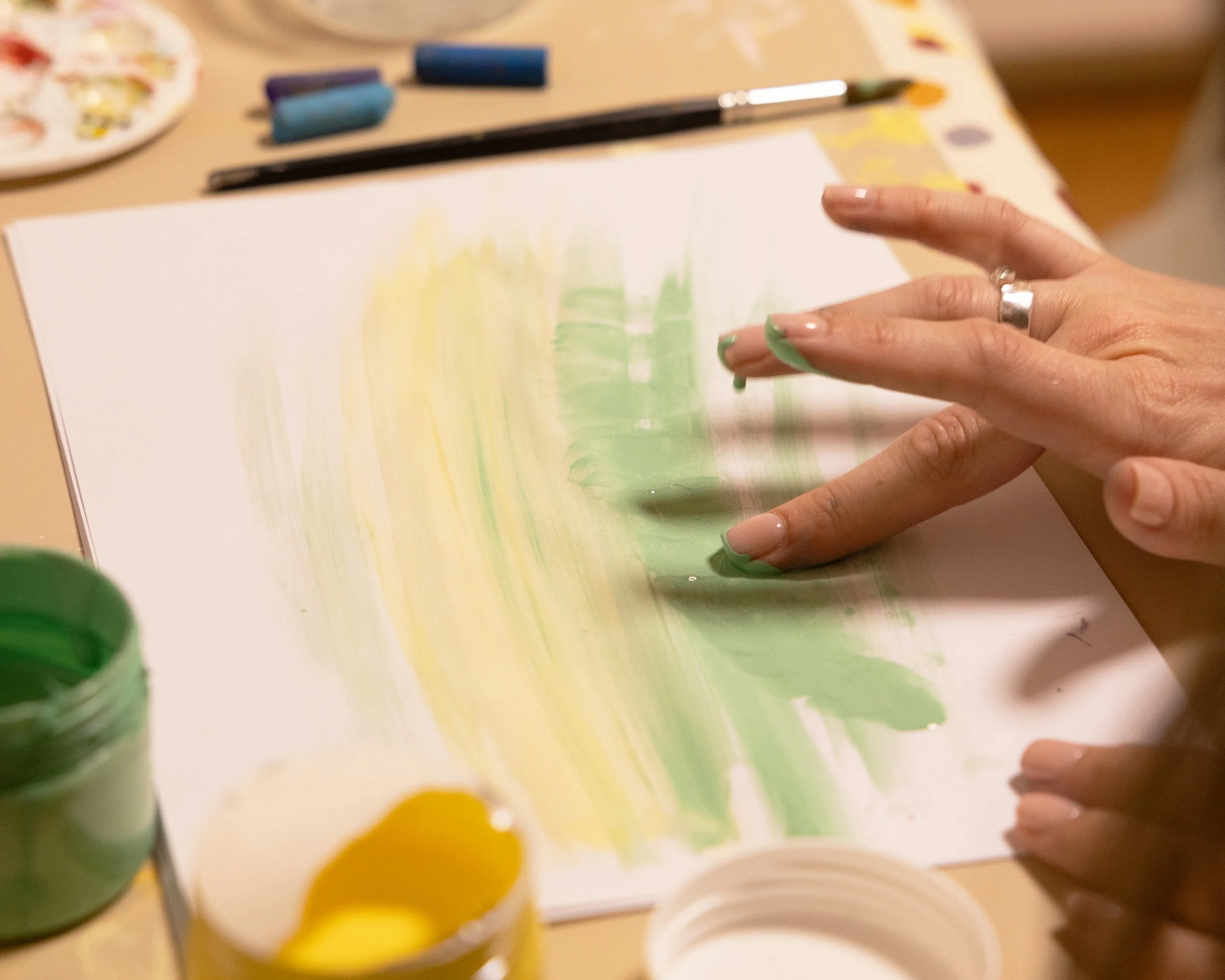
How art therapy works for children and young people
Art therapy offers a safe approach for children and young people to build confidence in expressing themselves at a pace that is relatable through playful ways.
As a relational based therapy, art therapy embraces finding ways to tolerate our feelings, experiences and develops ways to safely process them.
Art therapy allows children to express themselves within their developmental age to allow them to gently process experiences of past and present.
For children and young people art therapy can support and is not limited to:
Self-expression and emotional regulation
Social and peer relation difficulties
Difficult life events including experiences of trauma, including pre verbal and early developmental trauma
Support wider systems, adults and professionals approaches to supporting young people through consultancy.
Supporting a child or young person accessing therapy
Starting therapy is a big step. When it is for a child you care for, it can bring up lots of your own feelings and uncertainty in how to respond.
You may be unsure how to support your child through the therapy process and the questions below are some common questions carers have asked during our time working together.

Advice for parents and guardians
-
During our first meeting you will be invited to come into the room with you child as part of our initial assessment together. I will then ask you to leave to offer some time for your child to adapt to the space and with me.
Following sessions are confidential for your child weekly. I can support you with a transition plan into sessions. For young children it can be helpful to bring an object from home to their first session, for comfort and a starting point to connect with. I politely ask that you wait on the premises during your child’s session with your phone turned on.
-
Routines can be helpful prior and post session. I would recommend leaving with good time prior to session to reduce any stress or overwhelm.
It may also be helpful to offer moments of playful connection and co-regulation with your child. This allows your child to feel safe and find ways of managing and expressing feelings together.
-
Children and young people need a healthy degree of privacy, and it is important this is respected outside of our sessions together. I always recommend to let your child direct the conversation about what they would like to share from their session. Directing conversation or asking leading questions can be challenging and may decrease your child’s ability to share with you freely and openly.
-
Yes, your child can bring things of importance or items they feel would be helpful for them. So it does not alter the direction of focus for your child, I would recommend limiting this to one item weekly. Please be mindful that I am not responsible for any damage to the items brought and would suggest anything of monetary or sentimental value remains at home.
-
Please let me know if you notice changes of concern between sessions. For children this may present as behaviour responses or for teenagers expressing a change or reduction in emotions.
-
Please seek support by your ASF social worker or support worker for this request. Unfortunately, I can not begin work with adopted children imminently as I am not Ofsted registered.
Contact me
Contact me to begin your therapy journey or to find out more about my services.